Checklist • Updated Feb 15, 2026 • 14 min read
Renter maintenance checklist (monthly + seasonal)
 By Michael Rivera · Updated Feb 15, 2026
I started putting this checklist together after my third year on the job. I kept seeing the same pattern: tenants would call about a massive leak or a mold problem, and almost every time, there were warning signs weeks earlier that a 15-minute walkthrough would have caught. A damp cabinet floor. A foggy mirror that never cleared. A window that started sweating in November. Small stuff that turns into deposit deductions if you don’t catch it.
Everything below is reversible and low-risk. You’re not doing licensed work—you’re observing, cleaning, and documenting. If something looks like a real leak, electrical hazard, or structural problem, skip the DIY and contact maintenance.
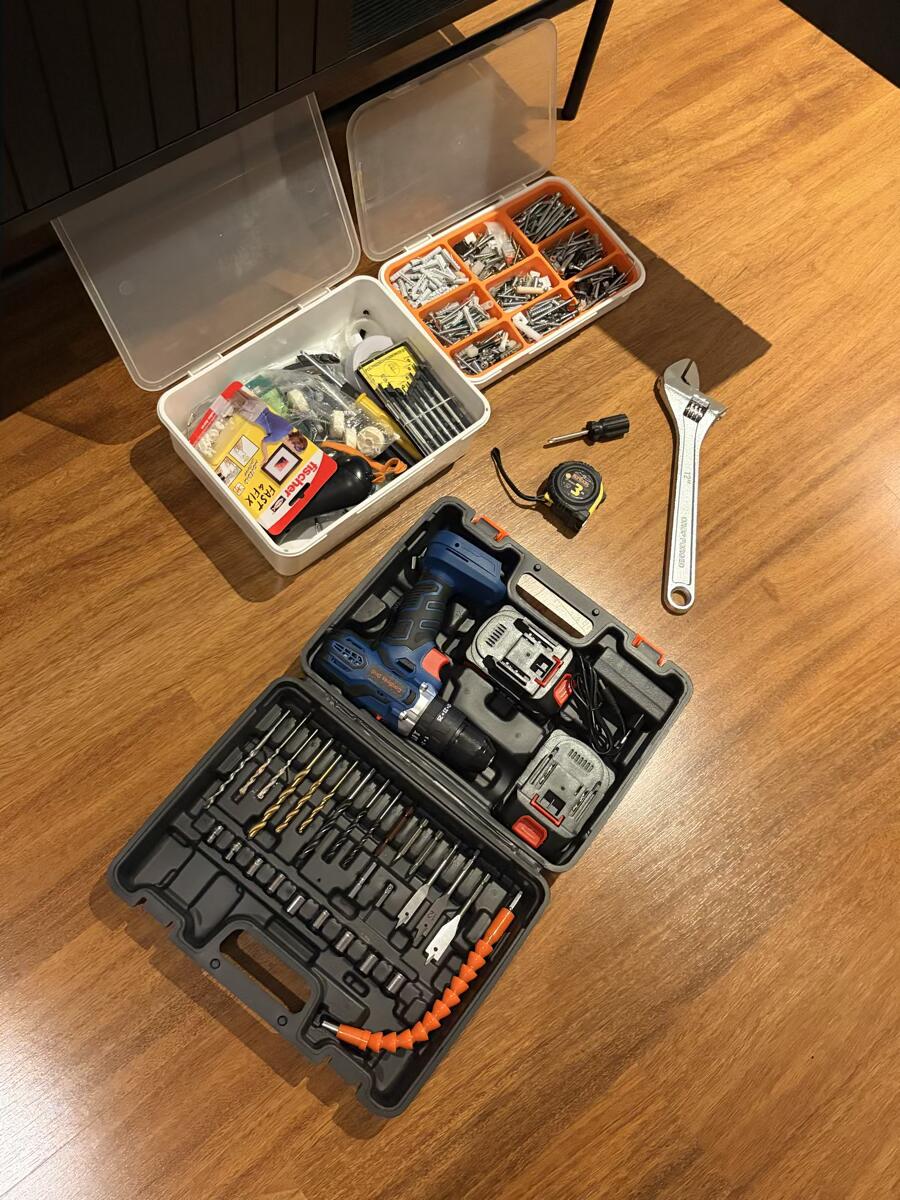
Tools (keep it simple)
- Phone camera (documentation is half the win).
- Flashlight (leaks hide in corners).
- Microfiber cloth (wipe + detect returning moisture).
- Dish soap (safe, useful).
- Optional: small hygrometer (humidity meter) if you’re fighting condensation/mold risk.
Monthly (15 minutes)
| Task | What to look for | What to do |
|---|---|---|
| Under sinks | Moisture, musty smell, swelling wood | Wipe dry, take a photo, report if it returns |
| Bathroom ventilation | Foggy mirrors that linger 20+ min | Run fan longer, crack door, clean fan cover if dusty |
| Window/door drafts | Cold air near frames | Mark spots with painter's tape; plan a reversible seal |
| GFCI outlets (if present) | Outlet won't reset | Stop using it and contact maintenance |
| Doors & hinges | Squeaks, rubbing | Use the quick fixes in this guide |
Monthly details (quick but effective)
The under-sink check alone has saved more deposits than any other item on this list. I once inspected a unit at move-out and found the entire cabinet floor warped and black with mold—the tenant had no idea because cleaning supplies were piled in front of the pipe. A 10-second monthly peek would have caught that drip in the first week.
Under sinks
- Run your hand along the cabinet floor (dry vs damp is obvious).
- If anything is damp, dry it and check again the next day (overnight leak test).
- If you smell sewer gas, run water briefly to refill the trap; if it persists, file a ticket (see under-sink smell checklist).
Bathroom ventilation
- Run the fan during showers + 15–20 minutes after.
- If the mirror stays fogged 20+ minutes, ventilation may be weak (see fan cleaning).
Drafts & comfort
- Mark drafts with painter’s tape so you can apply reversible sealing later (see drafty windows).
- Draft reduction also helps prevent condensation on cold window surfaces (mold risk).
Seasonal (every 3–4 months)
Seasonal checks catch the slow-burn problems that monthly glances miss. These are the things that take 3–6 months to develop but can cost hundreds if they go unchecked through a full lease cycle.
Fall (before heating season)
- HVAC filter (if you have access): replace or clean if your lease makes it the tenant’s responsibility. A dirty filter makes the system work harder and can trigger “heat not working” situations that are actually just airflow problems. See thermostat basics.
- Window and door seals: do the tissue test for drafts and apply reversible sealing before cold weather hits. See drafty window fixes.
- Radiator check (if applicable): bleed radiators if your building uses hot water heat. Air pockets cause cold spots and banging noises. See radiator maintenance.
- Thermostat batteries: many programmable thermostats use AA or AAA batteries. If they die in January, your heat stops working at 2 AM. Swap them now.
Spring (after heating season)
- Remove seasonal weatherstripping: adhesive foam and rope caulk come off easier in warmer weather. The longer they sit, the harder removal gets. Heat with a hairdryer if needed.
- Deep-clean kitchen exhaust: grease builds up over winter (more cooking, less ventilation). A degreaser and microfiber cloth prevent buildup that’s hard to remove at move-out.
- Check window tracks: winter condensation leaves mineral deposits that make windows stick by spring. Vacuum and wipe tracks clean. See track cleaning guide.
- Inspect caulk and grout: winter humidity cycles can crack tub/shower caulk. If water is getting behind the caulk line, report it early—water behind tiles leads to expensive damage fast.
Summer
- Fridge coils (if accessible from the front): vacuum gently to improve cooling efficiency. Unplug first, and don’t move the fridge if your lease restricts it.
- AC filters (if window unit or accessible HVAC): rinse or replace. A clogged filter makes the unit freeze up and drip water indoors.
- Bathroom humidity baseline: summer humidity is higher. If your bathroom never fully dries between showers, that’s a mold risk worth addressing now. See mold prevention.
Winter
- Pipe freeze prevention: if you have pipes on exterior walls, keep cabinet doors open during extreme cold to let warm air circulate. If you’re leaving for more than a day, don’t set the thermostat below 55°F (13°C).
- Humidity monitoring: heating systems dry indoor air, but kitchens and bathrooms can still trap moisture. A $10 hygrometer helps you stay in the 30–50% sweet spot.
- Seal check: revisit your fall weatherstripping. Some foam compresses after a few weeks and needs reinforcement or replacement.
Quarterly quick checks (5 minutes)
- Bathroom fan grille: clean dust buildup so airflow stays strong. A dusty grille reduces extraction by up to 50%. See fan cleaning guide.
- Showerhead: quick vinegar soak if you have hard water. This alone can restore pressure you didn’t realize you’d lost. See pressure checks.
- Windows: vacuum tracks and wipe with a damp cloth. Prevention here saves you from needing the full track cleaning guide later.
- Toilet: do the “listen test.” Stand quietly for 30 seconds—if you hear the tank refilling when no one flushed, the flapper is wearing out. See running toilet diagnosis.
- Faucet aerators: unscrew and rinse if flow has slowed. Takes 2 minutes and makes a surprising difference. See aerator cleaning.
Yearly (once a year)
- Full unit photo documentation: wide shots of every room, close-ups of any existing damage. Email these to yourself (timestamped) and to your landlord if you want a shared record.
- Check smoke and CO alarms: press the test button on each one. If any beeps weakly or doesn’t respond, report it immediately. Never remove batteries or disable alarms—this is a safety and legal issue.
- Review your move-in condition report: compare current state to your original photos. If new damage has appeared that isn’t your fault, document and report it now rather than at move-out when it looks like you caused it.
- Check all drains: run water in every sink, tub, and shower for 30 seconds. Slow drains now become clogs later. Catch them early with renter-safe unclogging.
Move-out month (the “deposit saver” pass)
- Walls: patch small holes if allowed (see move-out wall fixes).
- Doors/windows: make sure everything opens/closes smoothly; stuck windows can become a move-out note.
- Under sinks: catch small drips early—water damage is one of the most common deductions.
When to stop and call maintenance
- Active leak, water stains growing, or repeated moisture.
- Burning smell, buzzing outlets, or frequent breaker trips.
- Persistent mold growth, especially on porous surfaces.
- Gas smell (leave and call emergency services / landlord per your local guidance).
Maintenance ticket template (copy/paste)
Subject: Maintenance request — [issue] in [location]
Hi [Landlord/Maintenance], I noticed [issue] in the [location] on [date]. It appears [intermittent/constant] and I’ve attached photos/video. Could you please inspect and repair as needed? I’m available [times]. Thank you.
Photo documentation checklist (for fast tickets)
Good photos turn a vague maintenance request into one that gets action. I've seen tickets with a single dark photo sit for weeks, while tickets with clear evidence get same-day responses. Here's the formula:
- Wide shot — shows which room and fixture (context for the maintenance team).
- Close-up — shows the actual problem (stain, crack, drip, gap).
- Scale reference — include a coin, ruler, or your hand so the severity is clear.
- Short video (10–15 seconds) — essential for noises, running water, flickering lights, or intermittent problems that don't show in photos.
- Timeline note — “Started 3 days ago; happens every morning” tells maintenance whether this is urgent or gradual.
What to check before you move in
Your maintenance journey starts on day one. Before you unpack anything:
- Photograph everything: every wall, floor, ceiling, fixture, window, and appliance. Include close-ups of any existing damage. Email these to your landlord with a note like “Move-in condition photos, [date].”
- Test every fixture: run all faucets, flush all toilets, open/close all windows, test all outlets, try all locks.
- Note pre-existing issues: stains, holes, cracks, sticking doors, slow drains. Get these in writing to your landlord within the first week.
- Check smoke and CO detectors: press the test button on every one. Report any that don't work.
This 30-minute investment on move-in day is the single most effective deposit protection step you can take.
FAQ
- How long does the monthly check actually take? About 15 minutes once you know the routine. The first time takes longer because you're learning where to look. After that, it's a quick walk-through.
- Do I really need a hygrometer? If you have any history of condensation, foggy windows, or musty smells, yes. They cost $8–$12 and turn “I think it's humid” into “bathroom humidity is 72% after a shower.” Numbers make better maintenance tickets.
- What if my landlord says I shouldn't be doing maintenance? This checklist is observation and cleaning, not repair. You're looking at things and cleaning surfaces you normally would anyway. If your landlord objects to you running a fan or wiping under a sink, that's unusual—but always respect your lease terms.
- Should I keep a maintenance log? If you can, yes. Even a simple note on your phone: “March 15 — checked under kitchen sink, dry. Bathroom fan grille cleaned.” If a dispute arises, this log shows you were a responsible tenant.
Was this checklist helpful? Have a suggestion? Email [email protected].
Renter for 15+ years. I write practical, landlord-safe fixes I've actually done in my own apartments — no permits, no drama, deposit intact. More about me →