Prevention • Updated Jan 12, 2026 • 14 min read
Mold prevention for renters: a practical humidity checklist
This guide focuses on prevention and home comfort. It does not provide medical advice.
What “humidity” means (quickly)
Relative humidity (RH) is the percent of moisture the air is holding compared to its maximum at that temperature. Warm air holds more moisture than cold air, so humidity problems often show up as condensation on cold surfaces (windows, exterior walls, corners).
Know your target humidity
As a practical target, aim for 30–50% relative humidity indoors. Use an inexpensive hygrometer to measure.
Tools & supplies (low-cost)
- Hygrometer (humidity meter) — makes the problem measurable.
- Microfiber cloth or small towel (wipe condensation fast).
- Squeegee for the shower (30 seconds after showering).
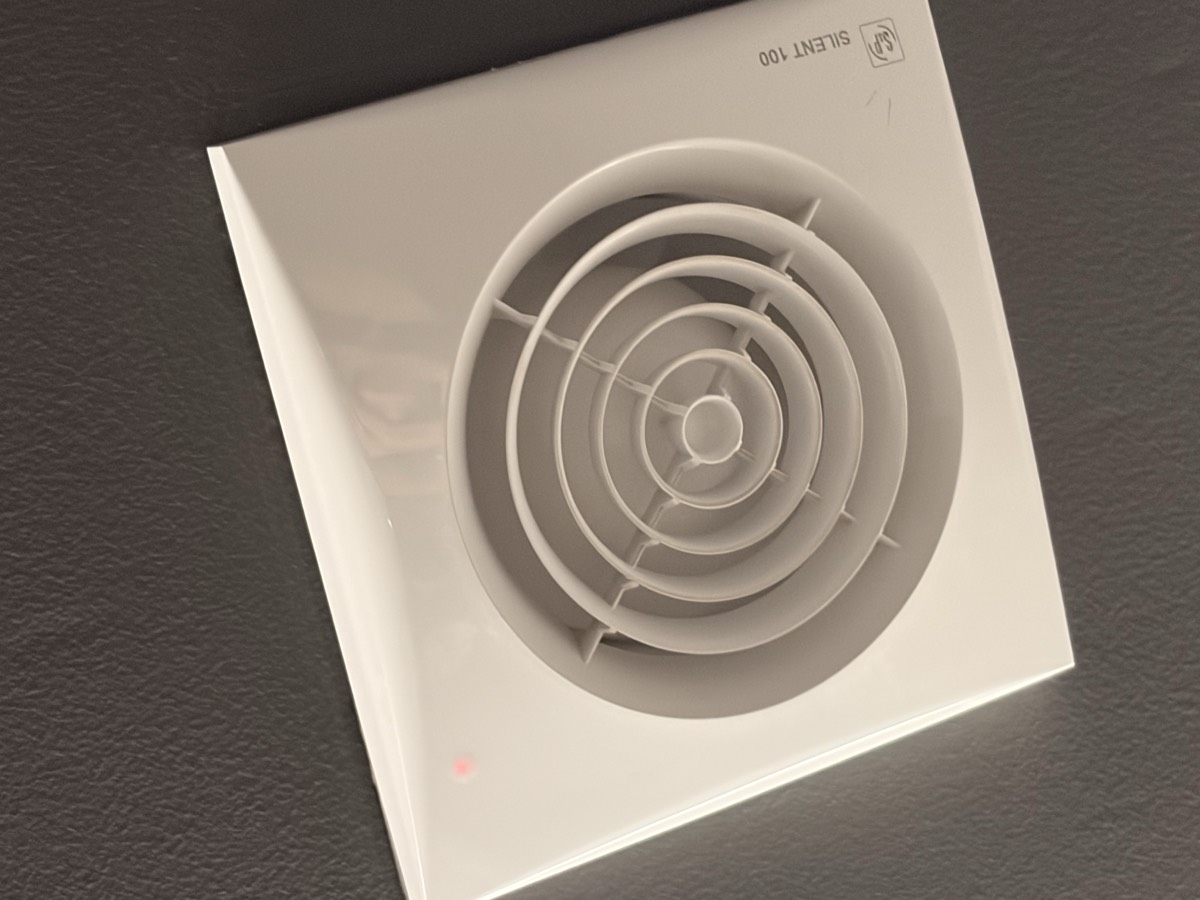
- Bathroom fan timer if your switch supports it (optional upgrade; ask first).
- Dehumidifier if allowed and truly needed (small unit often works for bedrooms/closets).
How to use a hygrometer (so the numbers help)
- Place it where you live: bedroom, living room, or near the problem area (not directly on a cold window ledge).
- Track morning + evening for a few days. Humidity often spikes after showers/cooking/laundry.
- Watch the pattern: if RH is consistently >55–60%, you’re likely to get condensation in colder weather.
- Use it to justify a ticket: “RH is ~62% most evenings even with fan use” is clearer than “it feels damp.”
Daily/weekly habits that work
| Area | Habit | Why it helps |
|---|---|---|
| Bathroom | Run fan during + 20 min after showers | Removes moisture before it settles |
| Shower | Squeegee walls (30 seconds) | Less water = less evaporation |
| Closets | Leave a small gap for airflow | Stagnant air traps moisture |
| Kitchen | Use range hood when boiling | Cooking is a major moisture source |
Room-by-room checklist
Bathroom
- Run the fan during showers and for 15–20 minutes after.
- Leave the door cracked (if safe/privacy allows) so damp air can exit.
- Squeegee shower walls/glass to remove standing water.
- Check for recurring wet grout/caulk that never dries—could be a leak behind tile.
Kitchen
- Use the range hood when boiling water or cooking.
- Dry under-sink cabinets promptly after any spills (and watch for recurring moisture).
- Run the dishwasher with the room ventilated; open it after it cools slightly to avoid dumping steam into a closed cabinet room.
Bedrooms / closets
- Leave a small air gap between clothes and the back wall.
- Don’t pack closets tightly—stagnant air holds moisture.
- If RH stays high (especially >55–60%), consider a small dehumidifier (if allowed).
Condensation: what it tells you
Condensation on windows is a strong signal that warm moist indoor air is hitting a cold surface. The fix is usually a combination of ventilation, lower indoor humidity, and sometimes draft reduction that prevents cold surfaces.
- Wipe condensation in the morning so it doesn’t soak frames.
- Use reversible draft fixes to reduce cold window surfaces (see drafty window fixes).
Big humidity sources renters often miss
- Drying laundry indoors without ventilation can spike RH fast.
- Boiling/slow-cooking without a hood running adds moisture for hours.
- Many plants in one room can raise humidity (especially in small bedrooms).
- Over-humidifiers: if you’re using a humidifier, monitor RH so you don’t overshoot.
Humidity targets (practical)
- 30–50% RH: comfortable range for most homes.
- 50–55% RH: watch for condensation on cold days; step up ventilation habits.
- 55–60%+ RH: higher risk for persistent condensation and musty odors—consider a dehumidifier (if allowed) and file a ticket if ventilation is weak.
Weekly routine (10 minutes)
- Wipe window frames if you see morning condensation.
- Clean the fan grille if dusty (airflow drops fast).
- Check under sinks for any dampness (catch leaks early).
- Look at corners behind furniture for musty smells or damp spots.
If your weekly routine keeps finding new moisture, it’s a sign the source needs a building fix.
Quick renter-friendly improvements
- Clean the bathroom fan cover (dust reduces airflow).
- Address drafts that create cold surfaces where condensation forms (see window draft fixes).
- Use a dehumidifier if allowed and needed—empty it regularly.
Dehumidifier basics (simple guidance)
- Start small: a small unit for a bedroom/closet is often enough for renters.
- Place it where air can circulate (not pushed into a tight corner).
- Keep doors closed in the room you’re dehumidifying for best results.
- Empty and clean the tank regularly (standing water can smell).
“Stop signs” (when to call maintenance)
- Recurring wet drywall, bubbling paint, or stains that grow.
- Ventilation fan doesn’t work or can’t clear steam even after cleaning (see fan cleaning).
- Mold keeps returning quickly after cleaning, especially on porous materials.
- Musty smell in cabinets with any sign of moisture (possible hidden leak).
What you can safely clean (and what you shouldn’t)
In rentals, focus on small surface spots and avoid disturbing porous materials where moisture is behind the surface.
- Usually okay: small spots on tile, sealed surfaces, and non-porous trim (wipe and dry thoroughly).
- Usually not renter-safe: cutting drywall, removing baseboards, pulling up flooring, or “digging” into porous materials.
- If it’s spreading or returning quickly: it’s likely a moisture source that needs a building fix.
Optional: photo checklist (for your ticket)
- Wide shot of the room corner/wall (location context).
- Close-up of condensation, staining, or mold spot.
- Humidity reading photo (hygrometer) if you have one.
- Timeline note: “after showers,” “after cooking,” “only in winter,” etc.
When it's a landlord problem
- Visible water intrusion, recurring wet walls/ceilings, or peeling paint that returns.
- Persistent mold growth on porous materials.
- Ventilation fans that don't work.
Maintenance request template (copy/paste)
Subject: Moisture / mold concern (request inspection)
Hi [Landlord/Maintenance], I’m noticing persistent moisture/musty odor in the [bathroom/closet/bedroom corner] since [date]. I’ve improved ventilation and wiped condensation, but the issue [returns / worsens]. Could you please inspect for ventilation performance, leaks, or moisture intrusion and advise next steps? I can share photos and I’m available [times]. Thank you.
Seasonal plan (simple)
- Winter: watch windows/corners for condensation, wipe early, and use reversible draft fixes.
- Summer: cooking and showers still matter; run fans and avoid drying laundry indoors without ventilation.
- After storms: check exterior-facing walls and windows for new stains or dampness.
FAQ
- Does bleach “solve” mold? It can clean some surfaces, but it doesn’t fix the moisture source. Focus on drying + ventilation + reporting leaks.
- Is a dehumidifier always needed? Not always. If RH is consistently high (especially >55–60%), it can help—otherwise good ventilation and habits may be enough.
- Why does it get worse in winter? Cold surfaces + indoor humidity = condensation. Draft reduction and ventilation matter more.
Start here: Renter maintenance checklist